A roof system fails at its weakest detail. A membrane can be sound while a seam, curb, or drain leaks. A metal panel can hold while fasteners loosen at the edge. We identify the assembly and the failure before naming a replacement. That keeps the choice tied to the building, not a product label.
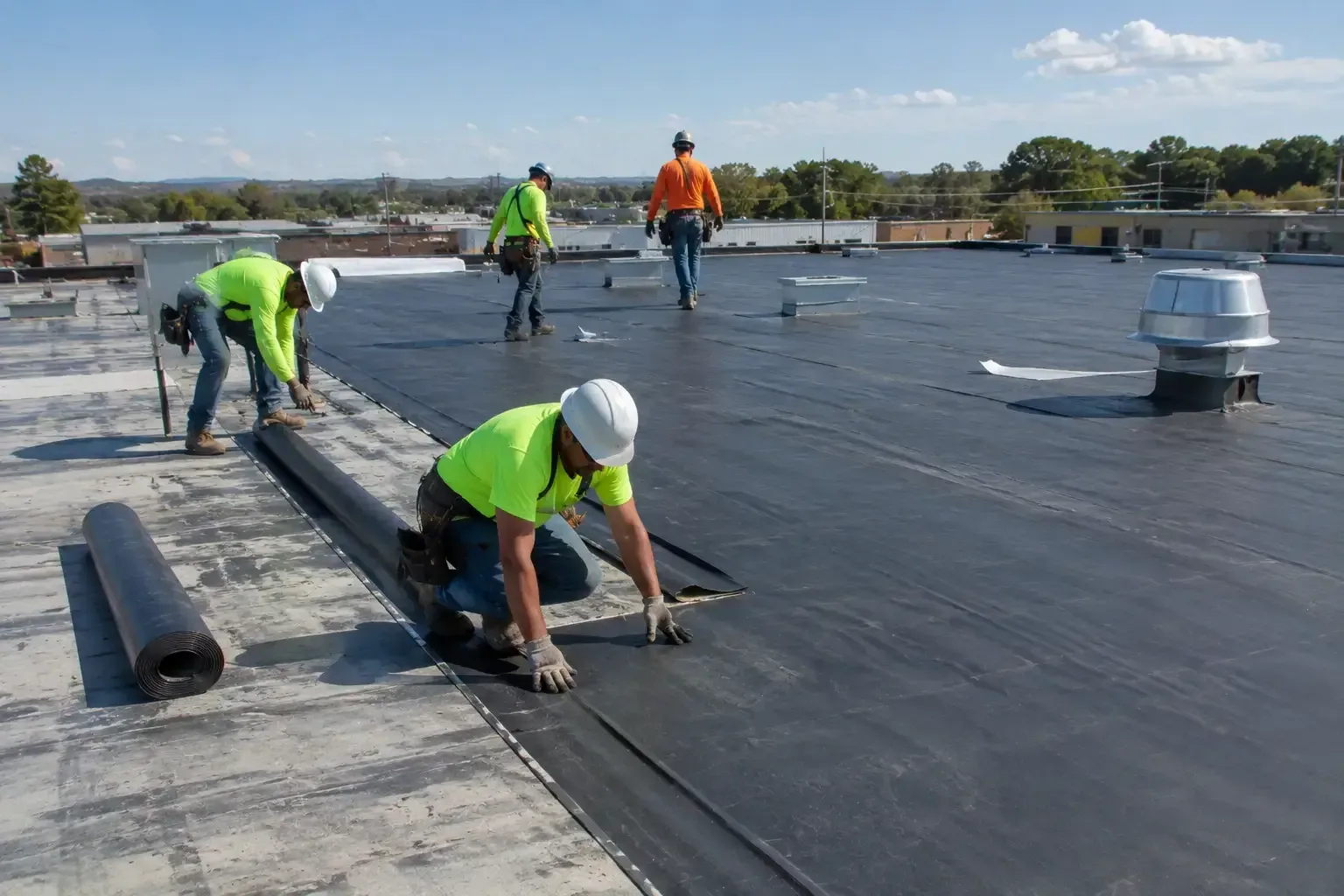
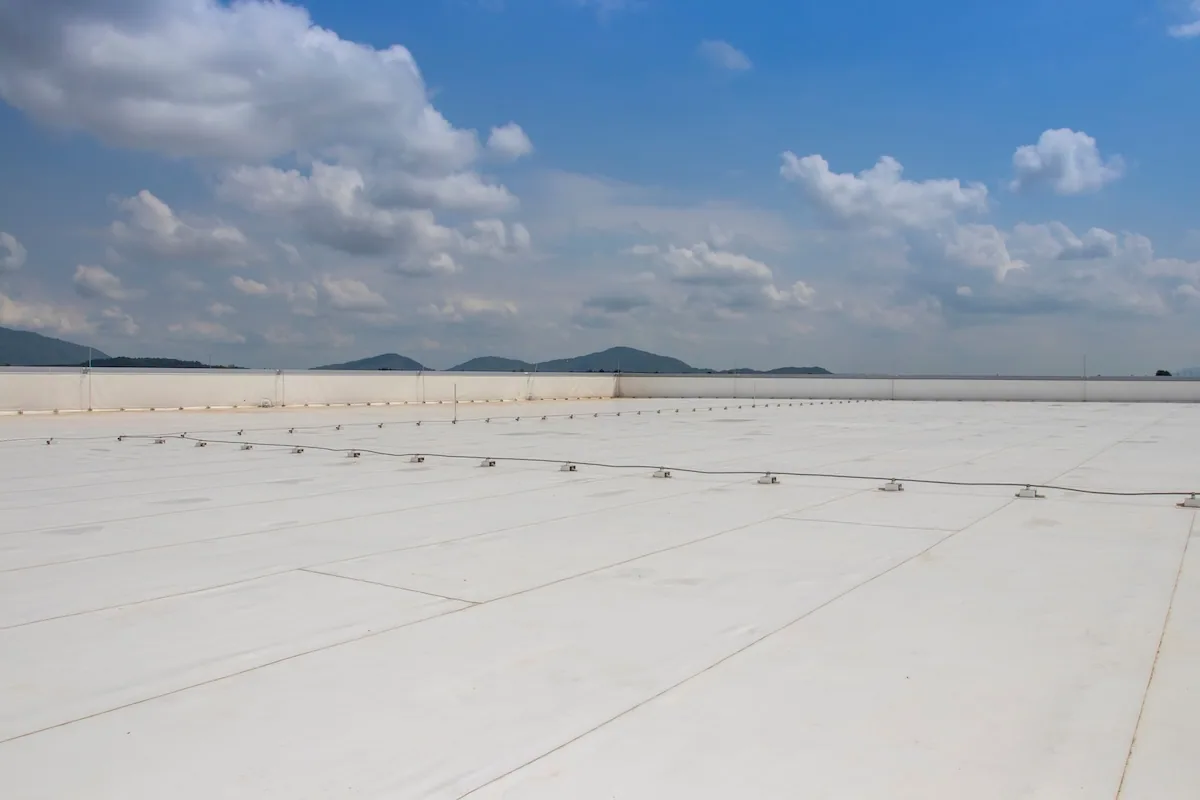
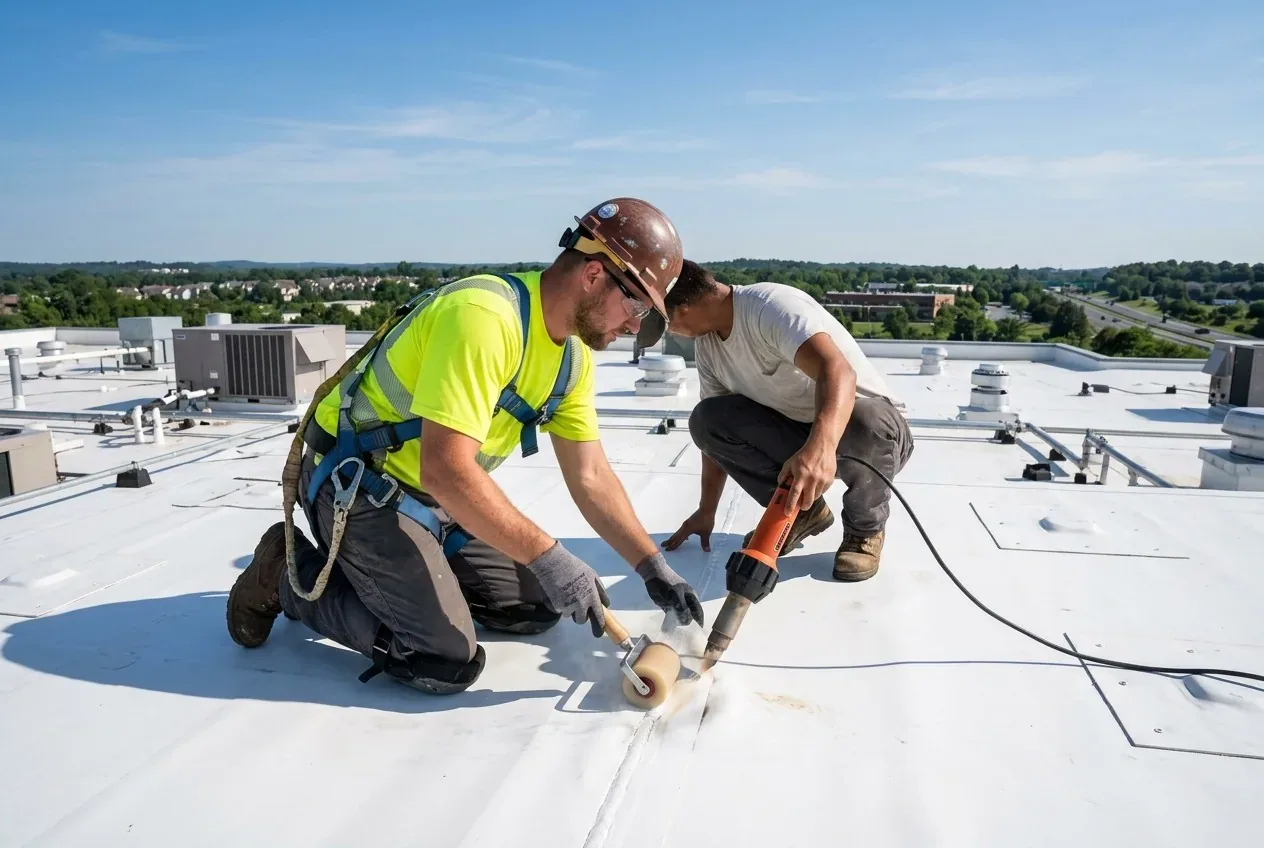
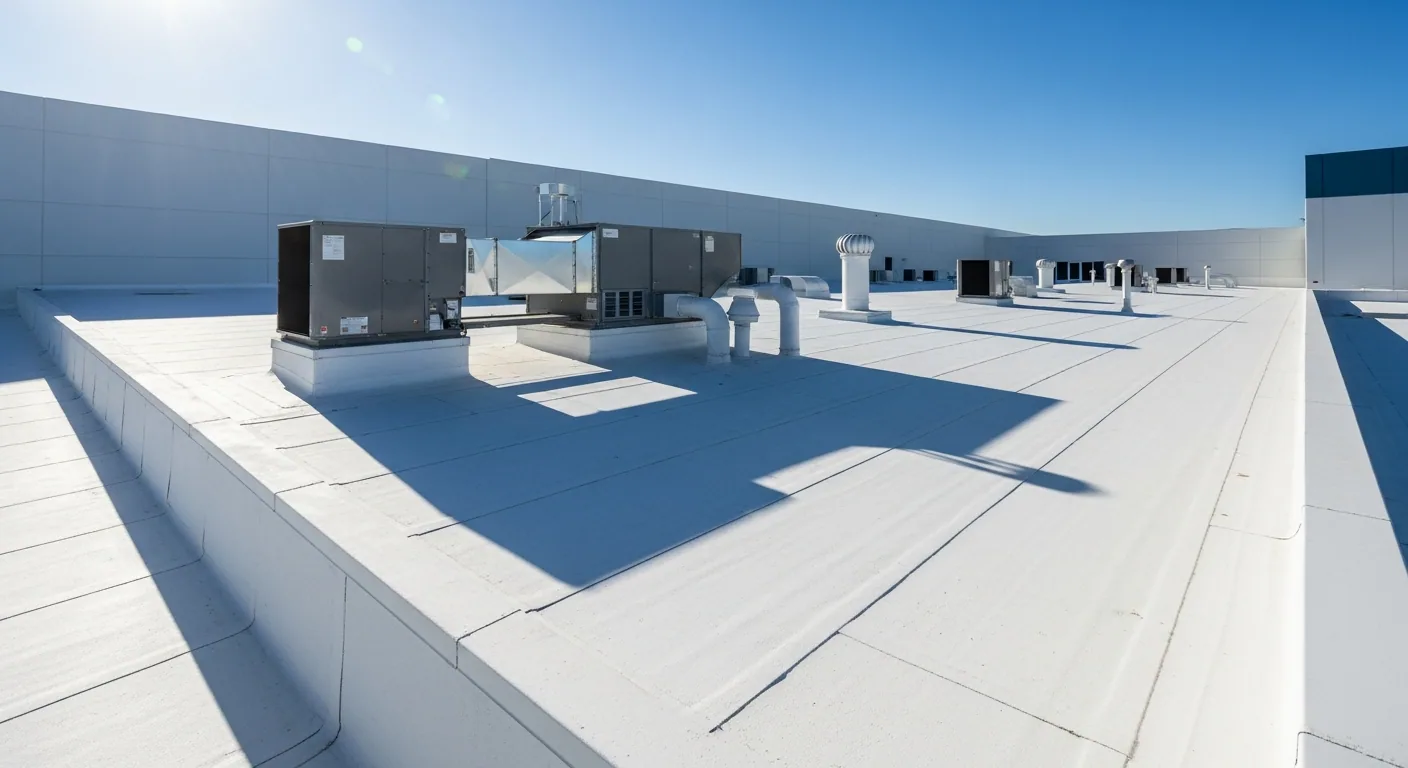
Single-ply roofs use welded or adhered sheets. TPO, PVC, EPDM, and KEE differ in seams, reinforcement, and repair methods. Existing material matters. We test a patch area and check compatibility before pricing the repair.
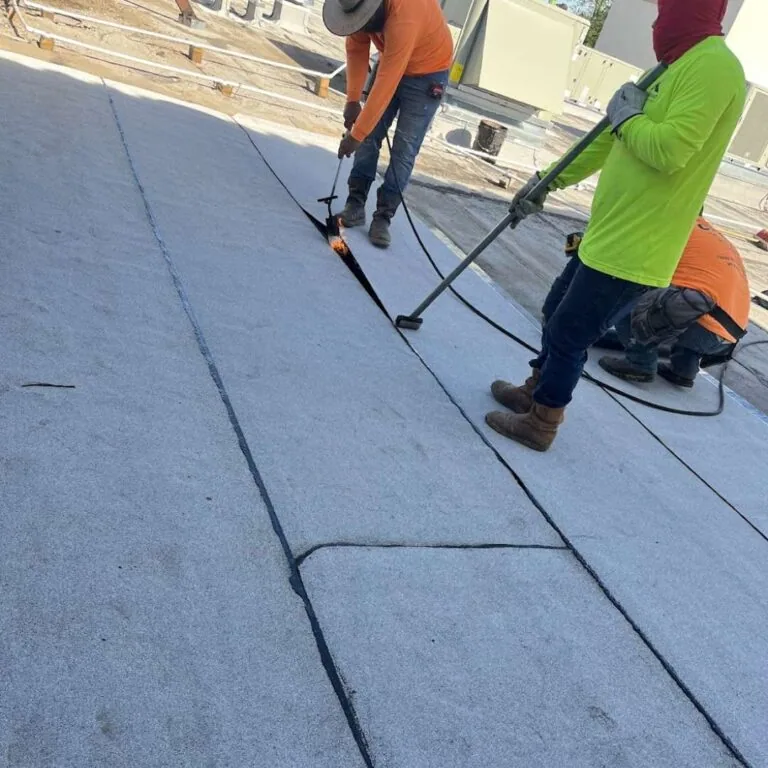
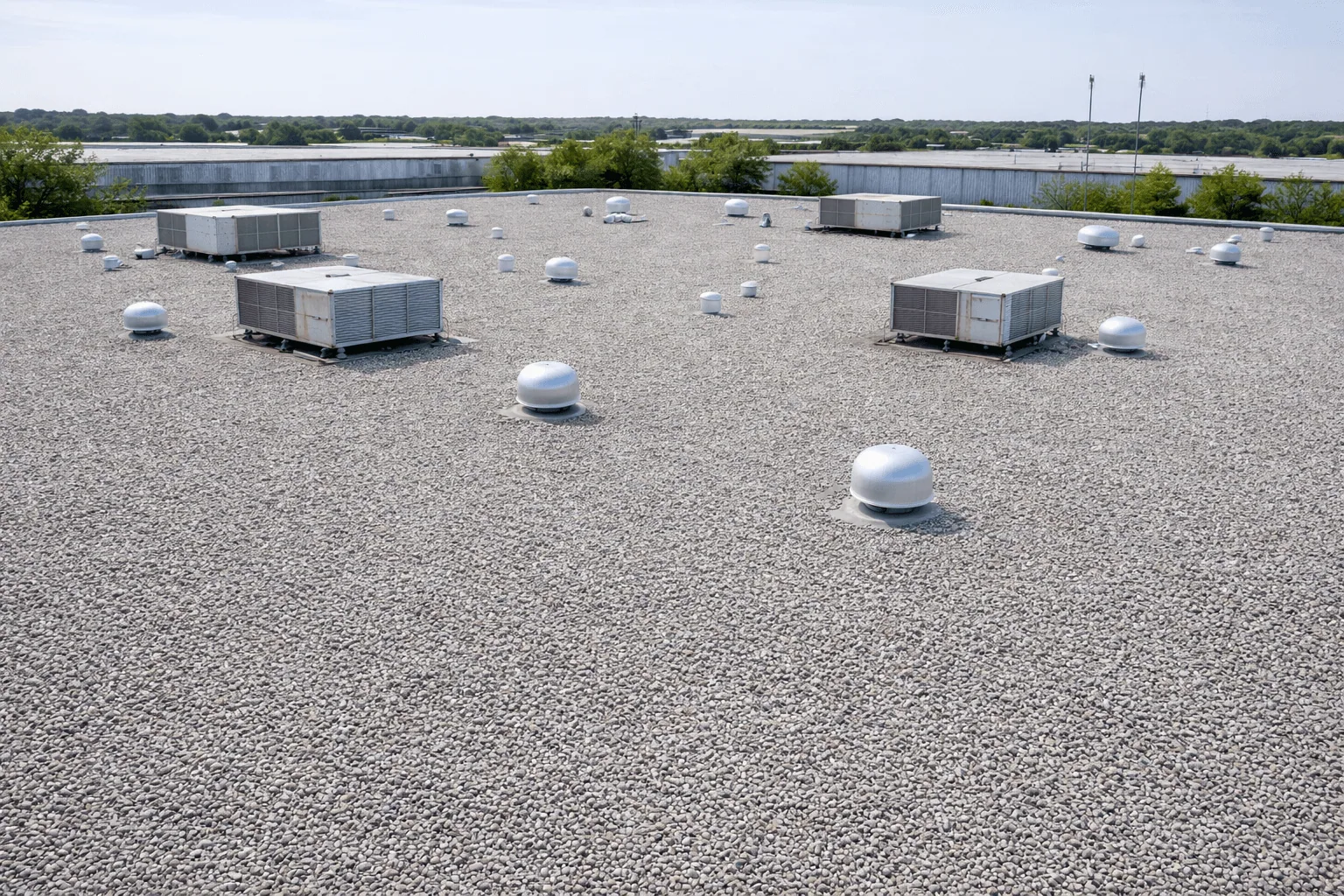
Older built-up and modified-bitumen roofs need a different inspection. We check the surfacing, ply separation, blisters, and drain transitions. A modified-bitumen assembly or built-up roof may be repairable if the layers remain stable. Wet insulation changes that answer.
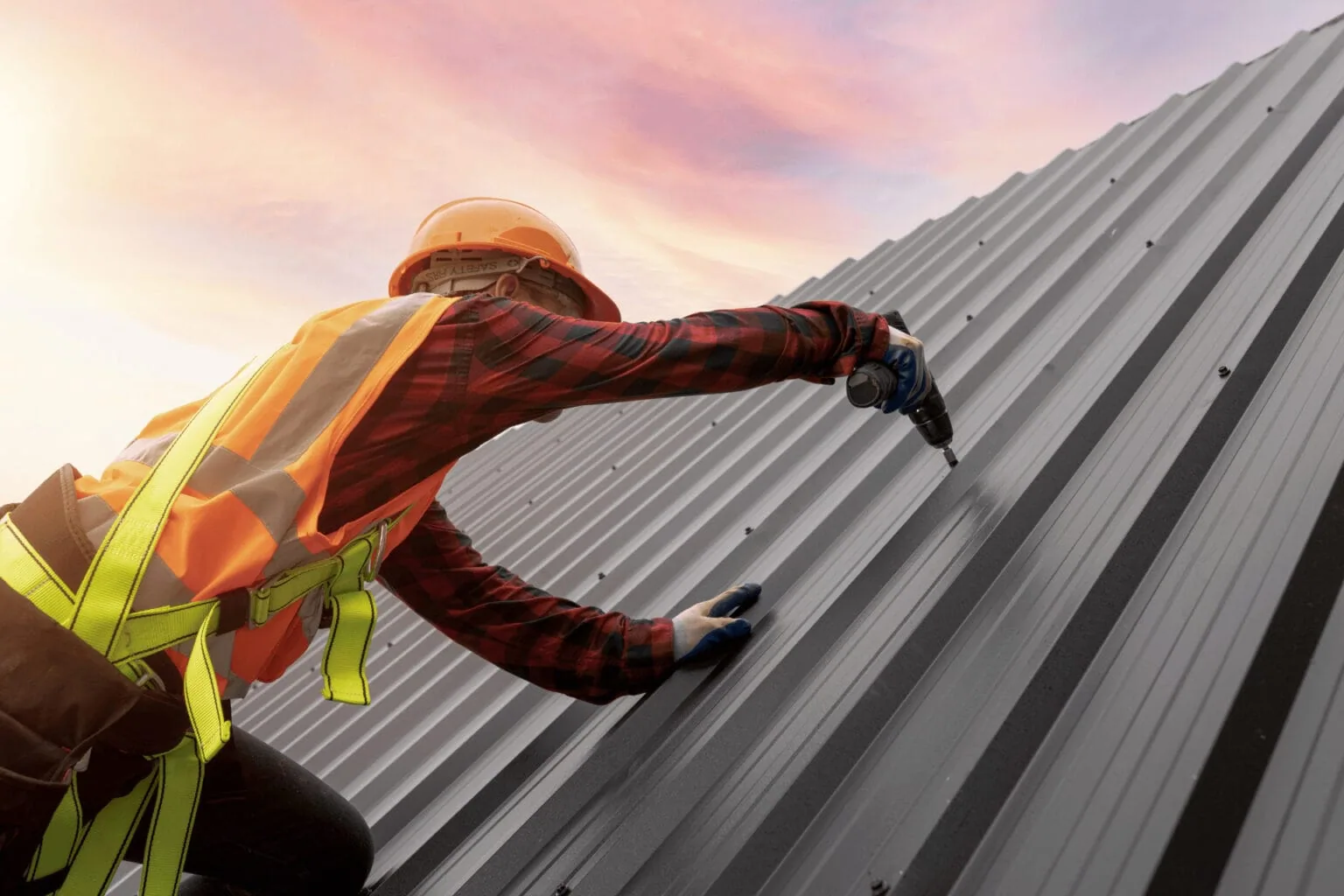
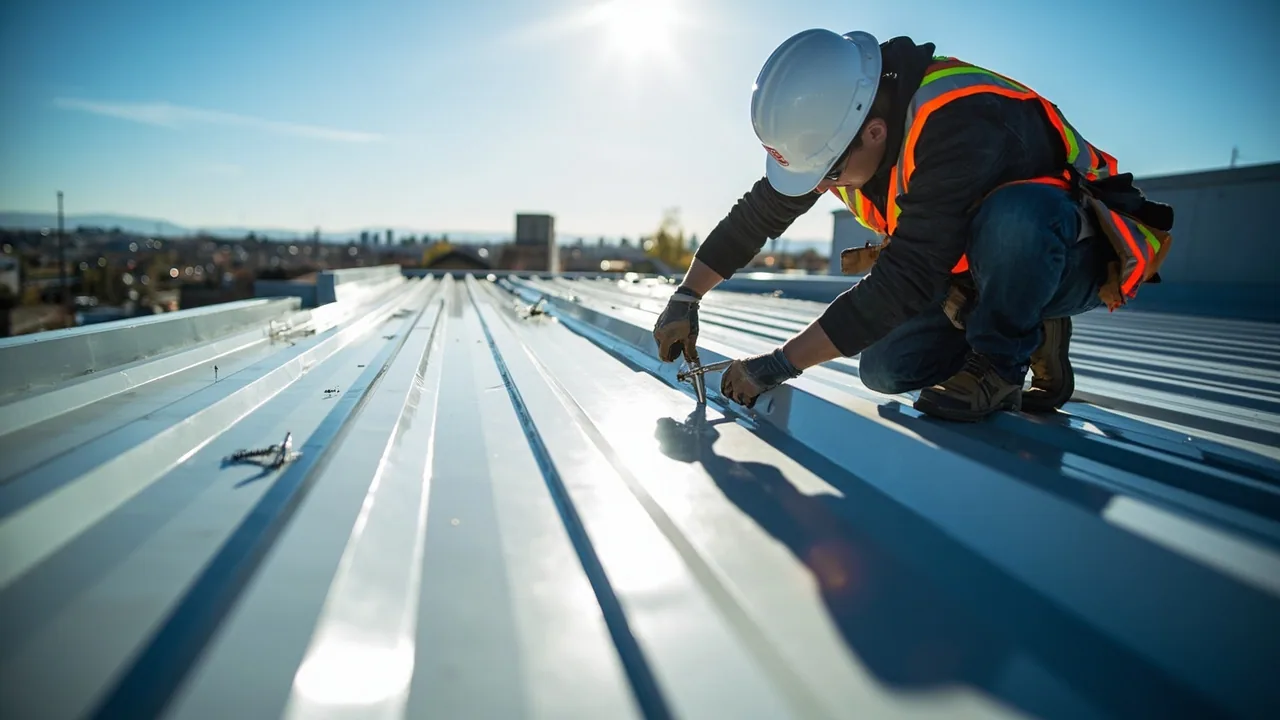
Metal roofs can loosen at panel laps, fasteners, ridges, and wall terminations. Standing seam metal uses raised joints; metal retrofit systems add a new assembly over existing panels when the structure and details allow it. We inspect attachment before covering a moving seam.
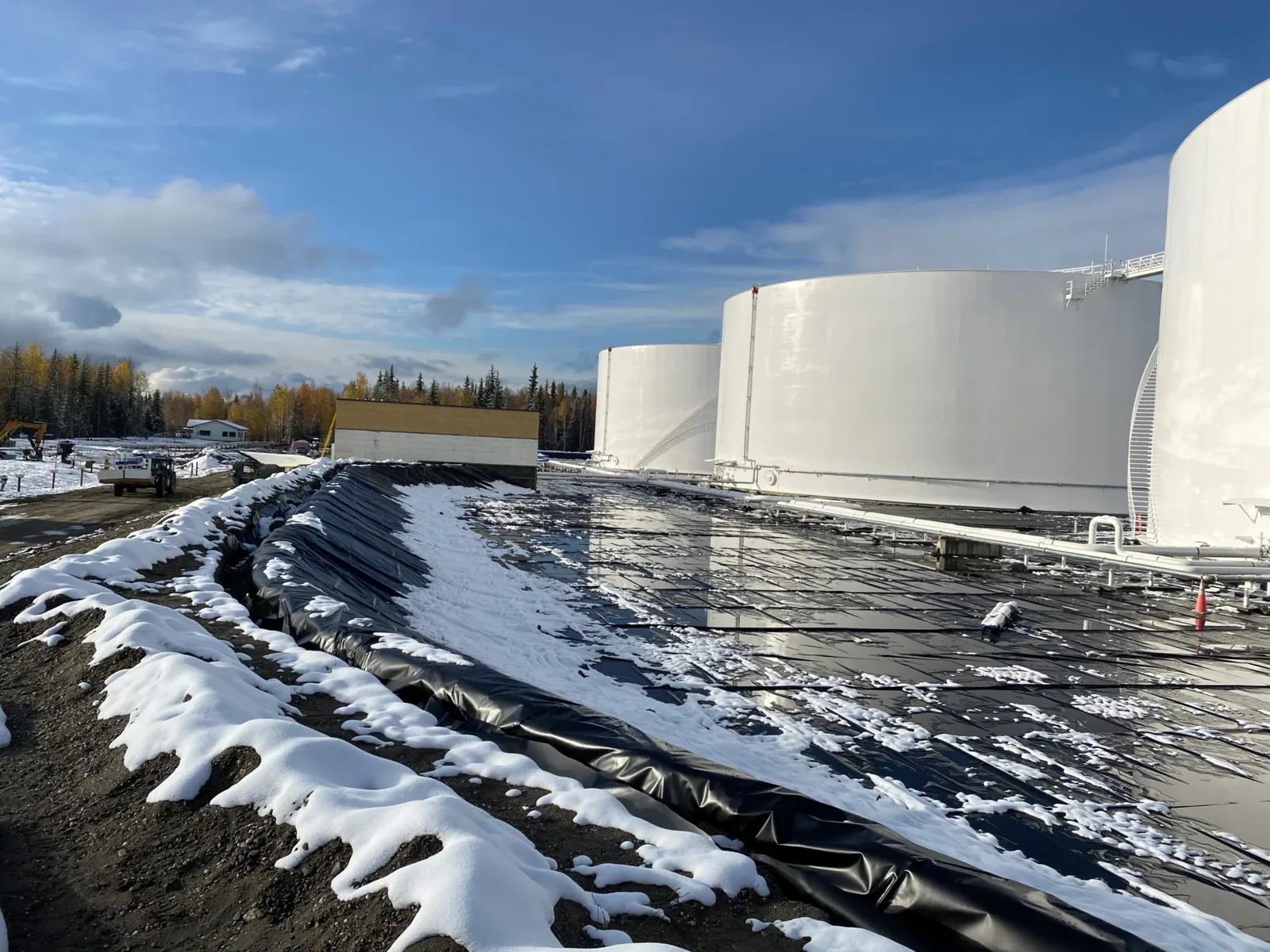
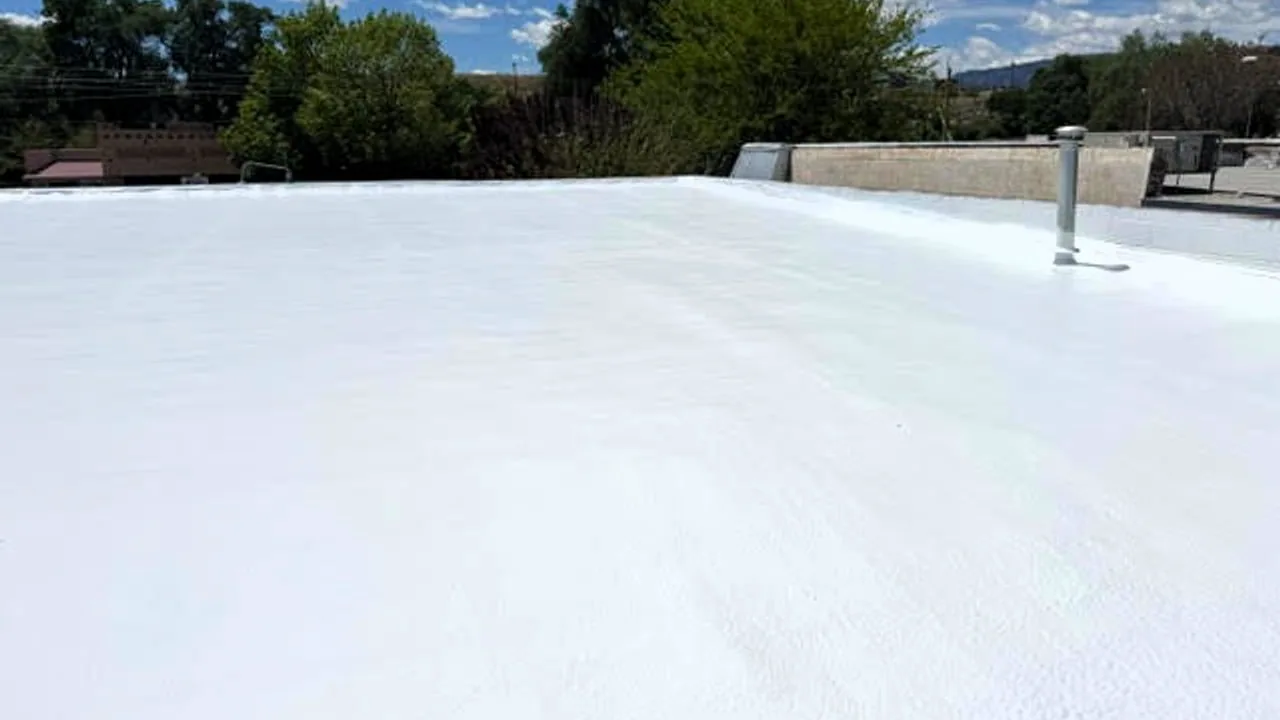
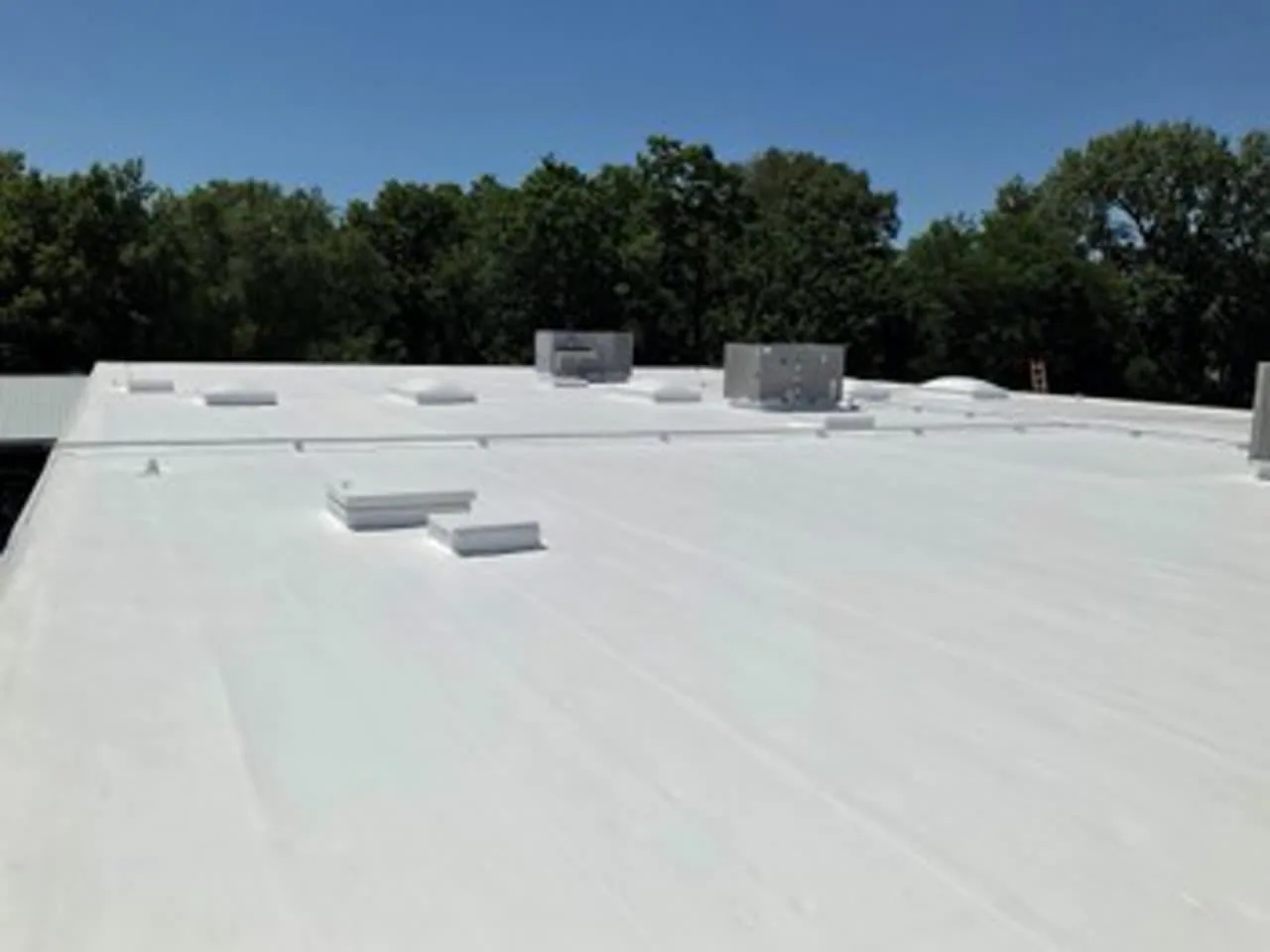
Foam and coatings depend on substrate condition and preparation. Spray foam and silicone coatings require a dry, prepared base. Brockton averages about 34 inches of snow each year; drains and low spots need to move meltwater without leaving ponded water at a repair.
Winter conditions expose open laps and failed flashing. Brockton normals include about 50 inches of annual precipitation and 34 inches of snow, with February the snowiest month. Montello and downtown properties may have different access and roof shapes, but we inspect each assembly rather than assume from the address. Route 24 area sites also need attention to perimeter attachment and rooftop equipment.
We compare repair, recover, and replacement only after checking deck, insulation, drainage, and edge conditions. A coating can extend service only where the surface accepts it. If moisture sits below the membrane, dry and rebuild that area before adding layers.
Our roof inspection identifies material, defects, and repair limits. A core cut can confirm layers and wet insulation. Then we can price a recover or replacement against the actual roof. A service location and any known roof records help us prepare for the visit; the assembly and inspection findings guide a recover or tear-off discussion.
Only when the existing layers, moisture condition, attachment, and deck support another assembly. We inspect and test first. Wet insulation or unstable material has to be addressed before a recover is priced.
The right repair depends on the material already installed and the condition around the opening. We identify the membrane or panel, test compatibility, and specify the patch or detail rebuild that can bond to it.
Snow, freeze-thaw, and wind exposure make drainage and secure edges important. They do not choose the membrane by themselves. We compare the roof, deck, use, and repair plan before selecting an assembly.
The base must be dry, compatible, and stable enough for preparation. We check seams, flashing, ponding, and insulation moisture. A coating is not a fix for a saturated assembly or failing deck.
©2026 Commercial Roofing Brockton. All rights reserved. Privacy Policy | Terms
Call now555-555-5555